





Region
Read More
Region
Photo
AI Chat


-
Wine Advocate (100)
Sisseck believes the texture of the 2021 Pingus is the finest he has achieved since the beginning and something that the Tempranillo does very well. There is a chalky feeling, which is not surprising, because the mother rock is pure limestone—even if some plots (Barroso) have more clay on top, deeper down is hard limestone and some sandstone. There is a sense of harmony and purity that I see in most of the 2021s. There's more depth, more concentration and more tannin here, and it's a wine for the very long haul; it's very, very young, but it's super harmonious and balanced. There's energy, clout and power but with great finesse. They have learned to control the extraction, and all of the grapes fermented with indigenous yeasts (each plot ferments on its own, there's no pied de cuve or anything); they are very careful to decide the moment they press, tasting a lot with a lot of precision, getting samples and sitting down to taste every day after the wine has fermented dry. He fermented the wine with some 30% of the clusters, which are selected at the sorting table when they see a perfect bunch. When they have full clusters, they have to do a delicate pigeage (not the case in 2022, but he used some in 2023). This is a super elegant and powerful Pingus that should age for a very, very long time in bottle. It very much follows the style of the years I like the most: 1996, 2016 and 2018. 7,974 bottles were filled in June 2023.Inc. VAT£1,851.19 -

Wine Advocate (100)
Sisseck believes the texture of the 2021 Pingus is the finest he has achieved since the beginning and something that the Tempranillo does very well. There is a chalky feeling, which is not surprising, because the mother rock is pure limestone—even if some plots (Barroso) have more clay on top, deeper down is hard limestone and some sandstone. There is a sense of harmony and purity that I see in most of the 2021s. There's more depth, more concentration and more tannin here, and it's a wine for the very long haul; it's very, very young, but it's super harmonious and balanced. There's energy, clout and power but with great finesse. They have learned to control the extraction, and all of the grapes fermented with indigenous yeasts (each plot ferments on its own, there's no pied de cuve or anything); they are very careful to decide the moment they press, tasting a lot with a lot of precision, getting samples and sitting down to taste every day after the wine has fermented dry. He fermented the wine with some 30% of the clusters, which are selected at the sorting table when they see a perfect bunch. When they have full clusters, they have to do a delicate pigeage (not the case in 2022, but he used some in 2023). This is a super elegant and powerful Pingus that should age for a very, very long time in bottle. It very much follows the style of the years I like the most: 1996, 2016 and 2018. 7,974 bottles were filled in June 2023.Inc. VAT£1,030.00 -
Wine Advocate (100)
Sisseck believes the texture of the 2021 Pingus is the finest he has achieved since the beginning and something that the Tempranillo does very well. There is a chalky feeling, which is not surprising, because the mother rock is pure limestone—even if some plots (Barroso) have more clay on top, deeper down is hard limestone and some sandstone. There is a sense of harmony and purity that I see in most of the 2021s. There's more depth, more concentration and more tannin here, and it's a wine for the very long haul; it's very, very young, but it's super harmonious and balanced. There's energy, clout and power but with great finesse. They have learned to control the extraction, and all of the grapes fermented with indigenous yeasts (each plot ferments on its own, there's no pied de cuve or anything); they are very careful to decide the moment they press, tasting a lot with a lot of precision, getting samples and sitting down to taste every day after the wine has fermented dry. He fermented the wine with some 30% of the clusters, which are selected at the sorting table when they see a perfect bunch. When they have full clusters, they have to do a delicate pigeage (not the case in 2022, but he used some in 2023). This is a super elegant and powerful Pingus that should age for a very, very long time in bottle. It very much follows the style of the years I like the most: 1996, 2016 and 2018. 7,974 bottles were filled in June 2023.Inc. VAT£2,726.39 -
 (12x75cl) 2004
Vinous (93)
Inky ruby. Exotic aromas of blackberry, boysenberry, roasted coffee, dark chocolate and cured tobacco. Lush, sweet and smoky, with a supple texture to the deep dark berry liqueur flavors. No edges here, just luscious dark fruits and a wild smoky quality that carries into the finish. Impressively powerful and rich on the back end, with a lingering blackberry quality that won't quit.Inc. VAT£2,950.18 -
 (12x75cl) 2005
Wine Advocate (96)
The 2005 Flor de Pingus remains deep purple in color with a beautiful perfume of sandalwood, Asian spices, incense, black cherry, and blackberry. This leads to a powerful, intense, harmonious wine with layers of savory fruit and the structure to evolve for another 6-8 years. It offers a drinking window extending from 2016 to 2030.Inc. VAT£1,683.18 -
(6x150cl) 2008
Wine Advocate (96)
The 2008 Flor de Pingus had been in bottle for 2 weeks when I tasted it. It offers up an enticing nose of smoke, Asian spices, incense, espresso, black cherry, and blackberry. On the palate it displays outstanding volume, intensity, and balance. Rich, dense, and succulent, it has enough structure to evolve for 4-5 years and will offer prime drinking from 2015 to 2028.Inc. VAT£1,388.98 -
Vinous (93)
Inky ruby. Potent, mineral- and smoke-accented dark berry and violet scents show excellent clarity and lift. Silky and seamless in texture, offering sweet blackberry and boysenberry flavors and notes of spicecake and floral pastilles. Closes with strong thrust, appealing sweetness and sneaky, slow-mounting tannins. Very suave, even now, but this wine will be much better in another five to seven years.Inc. VAT£1,160.26 -
 (12x75cl) 2015
James Suckling (95)
Almost black-purple color. Dense black fruits aromas, fine oak and elegant dry tannins that are beautifuly integrated in the rich body. The long finish is already graceful thanks to the spot-on balance. Drink now.Inc. VAT£1,186.75 -
 (3x150cl) 2016
Vinous (95)
Deep violet. Smoke- and spice-accented dark berries and cherry on the highly perfumed nose. Lively bitter cherry, blueberry and violet pastille flavors stain the palate, showing fine definition and a supporting spine of tangy acidity. Opens up and deepens on the strikingly long, incisive finish, which features gently chewy tannins and lingering florality.Inc. VAT£497.98 -
 (3x150cl) 2017
James Suckling (94-95)
A chunky and pretty young wine with blueberries and blackberries and chocolate. Chewy tannins that are polished and fresh. Full-bodied. Round and sexy. Shows lots of potential.Inc. VAT£717.89 -
Decanter (96)
In the shadow of Pingus? Only, perhaps, if you taste it after the grand vin, because Flor de Pingus is another haute-couture masterpiece in its own right, again with that highly polished tannic texture and layers of dark but succulent and perfectly ripe mulberry fruit, suggestions of something darker and savoury emerging, but for now this is just a gloriously sensual young wine with a pronounced sense of place. Biodynamic.Inc. VAT£1,187.95 -
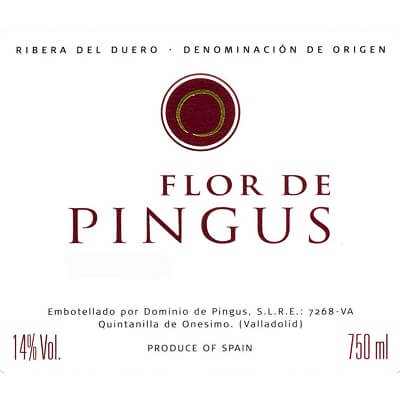 (12x75cl) 2019
James Suckling (97)
Blackberries, black cherries and hot crushed stones with cement and black licorice. Subtle yet complex aromas. Medium to full body and an exquisite texture, with intense tannins and a long, flavorful finish. The verve and mouth-feel is luxurious and captivating. This is very structured. Try after 2024.Inc. VAT£1,255.15 -
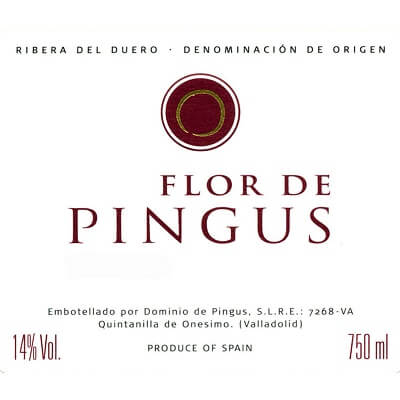 (12x75cl) 2021
James Suckling (96)
Dark cherries, ripe but fresh blueberries, slate, violets and a hint of graphite. There is lushness of fruit but it remains fresh and very primary in the middle with powdery tannins and a long, even finish. Has volume and linearity as well. Drink or hold.Inc. VAT£1,247.95 -
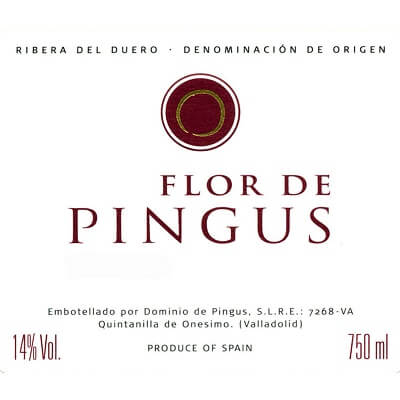 (6x75cl) 2021
James Suckling (96)
Dark cherries, ripe but fresh blueberries, slate, violets and a hint of graphite. There is lushness of fruit but it remains fresh and very primary in the middle with powdery tannins and a long, even finish. Has volume and linearity as well. Drink or hold.Inc. VAT£760.06 -
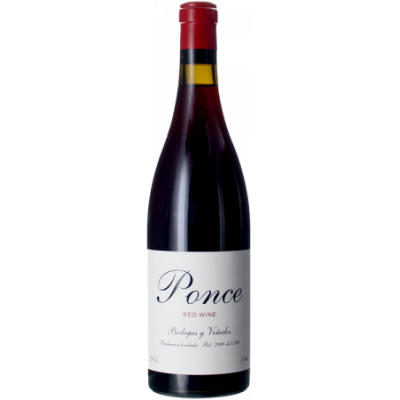
Wine Advocate (97)
After 15 years of searching, they have come up with a blend of 85% Bobal and 15% Moravia Agria that they thought worthy of carrying their surname, which is what the new top of the range 2018 Ponce is. It was produced with grapes from a vineyard in Villanueva de la Jara planted with Bobal and Moravia Agria on stony soils with sand and limestone mother rock (tosca). They vinified the two varieties separately and then selected the two 600-liter barrels that showed more elegance and finesse. After fermenting with 100% full clusters and indigenous yeasts, the wine from those barrels was kept longer with the lees in a 4,500-liter oak vat. What came to my mind was Monty Python: "And now for something completely different!" It's only 12.5% alcohol, and the color is surprisingly light, almost like a Trousseau from the Jura. The nose is reticent, insinuating and nuanced, shy rather than showy but with detail and changing by the minute. Wet chalk, flowers, herbs and a smoky/flinty touch develop slowly. The palate reveals great inner strength, energy and light, focused and precise, with beautiful symmetry. There is rusticity, elegance and length, chalky and with an almost salty finish. This has to be the most elegant wine ever produced by Ponce and possibly the most elegant Bobal ... in the world? This is more Burgundian than Rhône. It has all the ingredients and balance to develop nicely and for a long time in bottle. 1,991 bottles were filled in February 2020. There will also be a white Ponce in the future.Inc. VAT£335.06 -
 (6x75cl) 2015Inc. VAT£324.80
 -
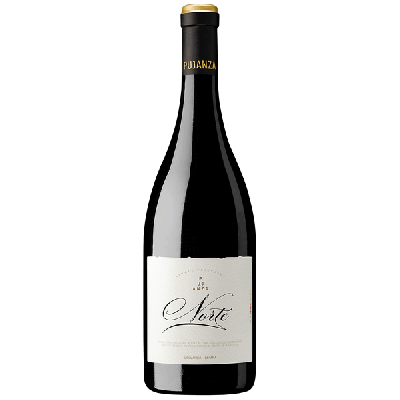
Tim Atkin MW (97)
The vines are still comparatively young at 19 years' old, but Norte, located at 730 metres on the slopes of the Sierra de Cantabria, is one of Rioja's greatest parcels. Influenced by the presence of limestone close to the surface, this is a thrilling Tempranillo that's taut, chalky and chiselled with serious, ageworthy tannins, sappy acidity and layers of red berry and black cherry fruit. 2025-35Inc. VAT£287.98 -
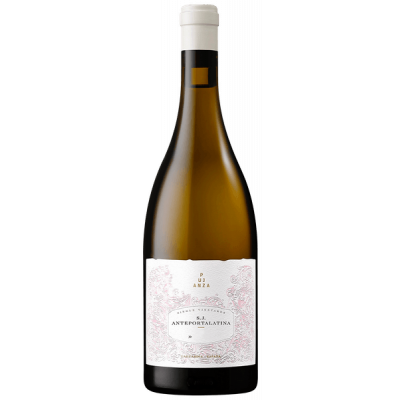
Decanter (96)
Part of an accomplished range of Riojas from Laguardia producer Pujanza, this 100% Viura is grown on the small 3.5ha limestone vineyard of San Juan de Anteportalatina at 600m. This terroir produces a distinctive and distinguished white, with layered aromas, savoury notes, fresh lemon, preserved lemon, a touch of salinity, and stony minerality. Rioja's answer to white Burgundy: elegant, mineral, toasty, buttery, citrus, with real verve - a seam of focused acidity. Vibrant finish, long and layered with fresh grapefruit, saltiness, toasted nuts. Aged for 12 months in French oak and concrete. Limited production.Inc. VAT£279.43 -
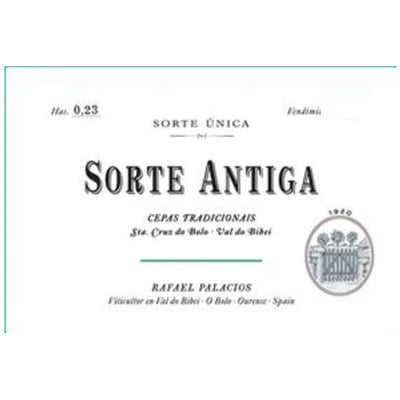 Inc. VAT£156.53
 -
 (1x75cl) 2022Inc. VAT£195.72
 -

Wine Advocate (98)
The single-vineyard Sorte O Soro had not been produced since 2016, and the 2019 Sorte O Soro is the next vintage after that. This plot has always shown additional elegance, freshness and salinity since he started vinifying it in 2004, because of the altitude (710 meters above sea level) and the north exposure to the Bibei Valley, where the old clone is planted on fine granite sand and quartz soils. Like As Sortes, this Sorte also fermented and matured with lees in new 500-liter French oak barrels for eight months. It has 14% alcohol with a pH of 3.12 and higher acidity (at 7.5 grams) than the rest of the 2019s. It feels very harmonious, elegant and nuanced with some creaminess, with notes of wet pollen and yellow flowers. The palate reflects the soil, with vibrant granite and very fine sand and electric quartz (saline), and it's also round and powerful from the clone that is planted in the vineyard. This vineyard is in the process of being organically and biodynamically certified. 2,240 bottles were filled in September 2020. I tasted the 2019s and 2020s from Rafa Palacios in Valdeorras. For him, these are two very good years. 2019 had a mild and dry winter and a rainy and cold spring that delayed budding, followed by a mild summer with fewer hours of sunshine, which meant a delay in the ripening process. Harvest was more than one month later than usual, and the grapes achieved very slow ripening and full development of aromas and flavors while keeping the acidity. The harvest started in October and finished in November. It's a beautiful, homogeneous vintage with very good wines. 2020 saw a moderately cool and rainy winter and a dry and cold spring that resulted in 20% less bunches than in 2019. The summer was also quite dry but, fortunately, not too hot. Given the low yields, maturation was accelerated, and the harvest began at the beginning of September for Louro and from September 25th for As Sortes. Given the scarce water, the plants had to work harder deep down into the soil, which marked the wines; the silica and quartz from the sandy soils of O Bolo shaped a saline identity and the wines achieved a lot of elegance and balance. It's a more heterogeneous vintage, and the higher-altitude vineyards behaved better. The 2020 O Soro is out of this world. He gave me a quick preview of the very cold 2021, a vin de garde vintage but a challenging year with a lot of rain. They are in the process of certifying their vineyards (organic and biodynamic), but they have some problems in the vineyards with neighbors who are not organic, so it will probably be faster for O Soro and Sorte Antiga.Inc. VAT£1,523.15 -
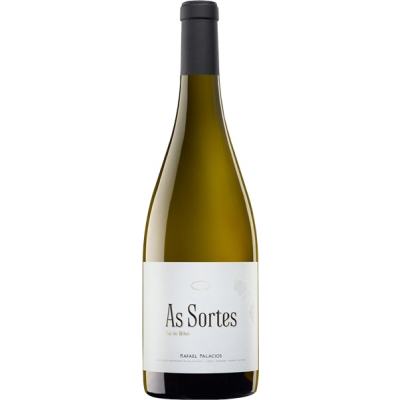 (1x75cl) 2018Inc. VAT£116.93
 -
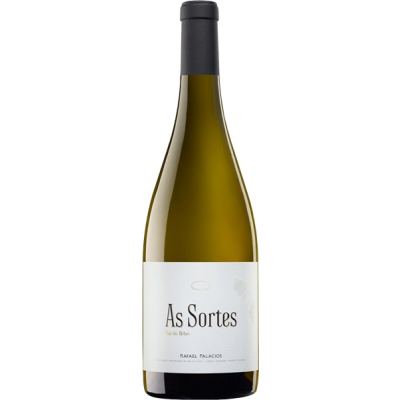
Wine Advocate (96)
The super elegant and austere 2021 As Sortes has a sense of harmony and subtleness that is moving. I found great purity, precision and symmetry in the wine. It has marked granite sensations in the palate; it's very tasty, long, fine-grained and textured, with the cold texture of the year. Palacios compared 2021 with 2012, which was very cold and dry before the harvest. It has to be one of the most elegant vintages of As Sortes.Inc. VAT£488.38 -
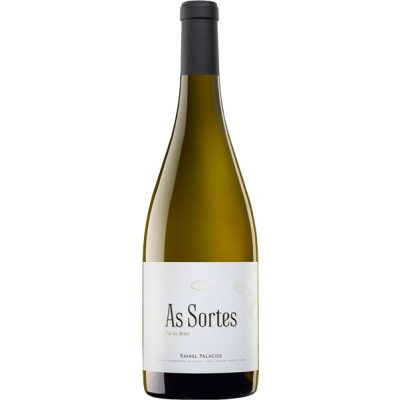 (12x75cl) 2022
Wine Advocate (95)
The 2022 As Sortes feels very young and a little raw and undeveloped, with great freshness. Despite being a very warm summer, they had rain (20+ liters) that was absorbed by the grapes, which made a delicate wine, much fresher than expected. Of course, the high altitude of the vines and the late ripeness and harvest here also have to do with the fresh character of the wine, which transcends the character of the year. I'd wait a little to pull the cork.Inc. VAT£717.67 -
 (6x75cl) 2023
Jeb Dunnuck (98)
A stunner, the 2023 As Sortes Val Do Bibei is textured, lengthy, complex, and resplendent in natural acidity, tasting of wet stone. Like an Austrian Gruner Veltliner, it has structure and subtle fruit full of mineral-driven citrus and savory tones. Fully developed, this medium-bodied white is powerful yet delicate, a gorgeous contrast of brawn and beauty that should age well another 10-15 years.Inc. VAT£341.98 -
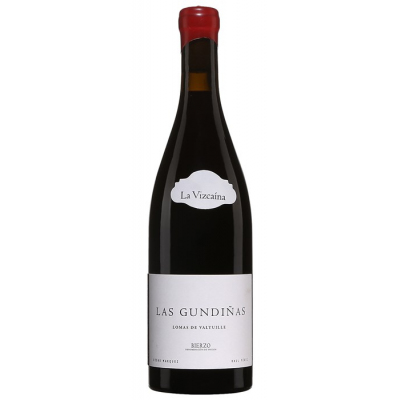
Wine Advocate (93)
La Gundiñas is the wine that shows the most differences between 2017 and 2018. The 2017 La Vizcaína Las Gundiñas is dark and concentrated, a wine of sun, while the 2018 is delicate and feels like a mini Bonnes Mares! This is quite like a Cornas—meaty, juicy, a little reticent and powerful, with abundant tannins. This is one wine that behaves better in 2017 than in 2016. This is a plot that has ups and down; it might be more regular in the future, as they finally bought it in 2018. Some 5,500 bottles produced. It was bottled in May 2019.Inc. VAT£175.92 -
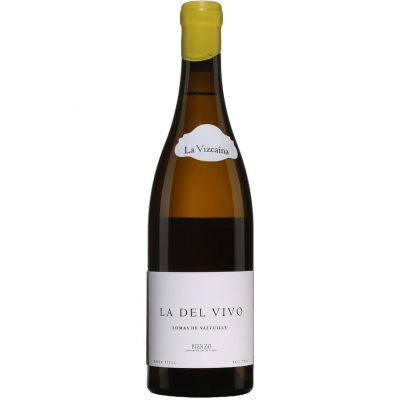 (6x75cl) 2020
Wine Advocate (95)
The 2020 La Vizcaína La del Vivo is super harmonious, tasty and balanced. The wine matured in two 2,500-liter oak foudres, and a small part fermented and matured in amphorae with skins. It's varietal and expressive and comes from two plots, one with sandy soils and another one in Cacabelos with some boulders. There's always a small percentage of Doña Blanca in the blend. It's very dry and has a chalky texture. 6,000 bottles produced. It was bottled in August 2021.Inc. VAT£199.24 -
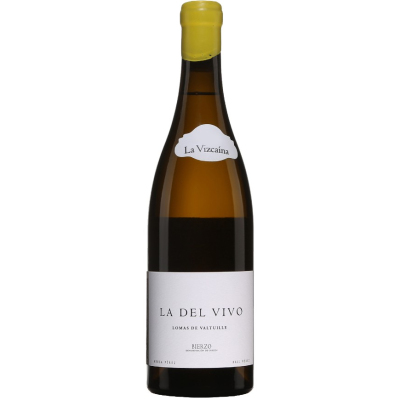 Inc. VAT£191.52
 -
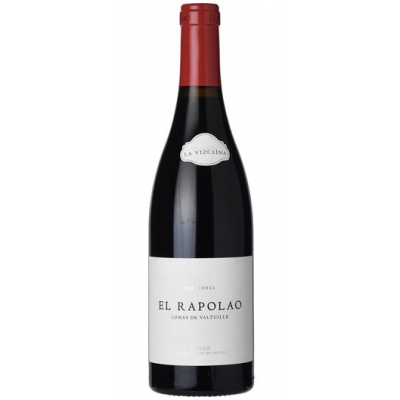
Wine Advocate (95)
I was impressed by the 2017 La Vizcaína El Rapolao, but the warm vintage was very good for a warmer vineyard like El Rapolao. This is hands-down my favorite of the 2017s from La Vizcaína, the wine that shows more freshness. It's harmonious and perhaps was harvested a little earlier than the others. Like the other wines from the range, this 2017 has more color than the 2018, as well as more power and a little more concentration, and it's also denser than the 2018, with tannins that are grittier and a little drier. But if I didn't have the 2018 next to this, I would only be praising it, because the 2017 is truly impressive, all in place and simply one step up in power and all the rest to keep the balance. 10,000 bottles were filled in May 2019. This is a late-budding vineyard, and it didn't suffer the effect of the spring hail from the year.Inc. VAT£248.44 -
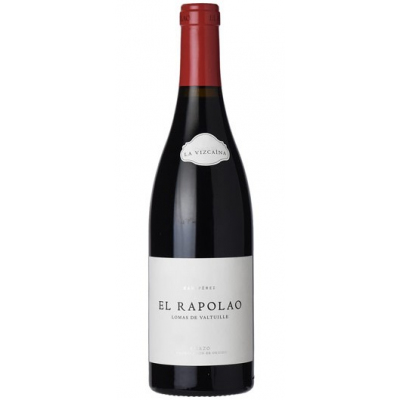
Wine Advocate (95)
Raúl Pérez has purchased the plot of El Rapolao that he uses for La Vizcaína, close to 1.3 hectares, and they expect the wine to have a big change as they are taking over the viticulture and want to lower yields. The 2019 La Vizcaína El Rapolao has plenty of tannin and is more concentrated than the 2020. 5,000 bottles produced.Inc. VAT£176.00
-
Wine Advocate (100)
Sisseck believes the texture of the 2021 Pingus is the finest he has achieved since the beginning and something that the Tempranillo does very well. There is a chalky feeling, which is not surprising, because the mother rock is pure limestone—even if some plots (Barroso) have more clay on top, deeper down is hard limestone and some sandstone. There is a sense of harmony and purity that I see in most of the 2021s. There's more depth, more concentration and more tannin here, and it's a wine for the very long haul; it's very, very young, but it's super harmonious and balanced. There's energy, clout and power but with great finesse. They have learned to control the extraction, and all of the grapes fermented with indigenous yeasts (each plot ferments on its own, there's no pied de cuve or anything); they are very careful to decide the moment they press, tasting a lot with a lot of precision, getting samples and sitting down to taste every day after the wine has fermented dry. He fermented the wine with some 30% of the clusters, which are selected at the sorting table when they see a perfect bunch. When they have full clusters, they have to do a delicate pigeage (not the case in 2022, but he used some in 2023). This is a super elegant and powerful Pingus that should age for a very, very long time in bottle. It very much follows the style of the years I like the most: 1996, 2016 and 2018. 7,974 bottles were filled in June 2023.In Bond£1,536.00 -
Wine Advocate (100)
Sisseck believes the texture of the 2021 Pingus is the finest he has achieved since the beginning and something that the Tempranillo does very well. There is a chalky feeling, which is not surprising, because the mother rock is pure limestone—even if some plots (Barroso) have more clay on top, deeper down is hard limestone and some sandstone. There is a sense of harmony and purity that I see in most of the 2021s. There's more depth, more concentration and more tannin here, and it's a wine for the very long haul; it's very, very young, but it's super harmonious and balanced. There's energy, clout and power but with great finesse. They have learned to control the extraction, and all of the grapes fermented with indigenous yeasts (each plot ferments on its own, there's no pied de cuve or anything); they are very careful to decide the moment they press, tasting a lot with a lot of precision, getting samples and sitting down to taste every day after the wine has fermented dry. He fermented the wine with some 30% of the clusters, which are selected at the sorting table when they see a perfect bunch. When they have full clusters, they have to do a delicate pigeage (not the case in 2022, but he used some in 2023). This is a super elegant and powerful Pingus that should age for a very, very long time in bottle. It very much follows the style of the years I like the most: 1996, 2016 and 2018. 7,974 bottles were filled in June 2023.In Bond£855.00 -
Wine Advocate (100)
Sisseck believes the texture of the 2021 Pingus is the finest he has achieved since the beginning and something that the Tempranillo does very well. There is a chalky feeling, which is not surprising, because the mother rock is pure limestone—even if some plots (Barroso) have more clay on top, deeper down is hard limestone and some sandstone. There is a sense of harmony and purity that I see in most of the 2021s. There's more depth, more concentration and more tannin here, and it's a wine for the very long haul; it's very, very young, but it's super harmonious and balanced. There's energy, clout and power but with great finesse. They have learned to control the extraction, and all of the grapes fermented with indigenous yeasts (each plot ferments on its own, there's no pied de cuve or anything); they are very careful to decide the moment they press, tasting a lot with a lot of precision, getting samples and sitting down to taste every day after the wine has fermented dry. He fermented the wine with some 30% of the clusters, which are selected at the sorting table when they see a perfect bunch. When they have full clusters, they have to do a delicate pigeage (not the case in 2022, but he used some in 2023). This is a super elegant and powerful Pingus that should age for a very, very long time in bottle. It very much follows the style of the years I like the most: 1996, 2016 and 2018. 7,974 bottles were filled in June 2023.In Bond£2,262.00 -
(12x75cl) 2004
Vinous (93)
Inky ruby. Exotic aromas of blackberry, boysenberry, roasted coffee, dark chocolate and cured tobacco. Lush, sweet and smoky, with a supple texture to the deep dark berry liqueur flavors. No edges here, just luscious dark fruits and a wild smoky quality that carries into the finish. Impressively powerful and rich on the back end, with a lingering blackberry quality that won't quit.In Bond£2,420.00 -
(12x75cl) 2005
Wine Advocate (96)
The 2005 Flor de Pingus remains deep purple in color with a beautiful perfume of sandalwood, Asian spices, incense, black cherry, and blackberry. This leads to a powerful, intense, harmonious wine with layers of savory fruit and the structure to evolve for another 6-8 years. It offers a drinking window extending from 2016 to 2030.In Bond£1,361.86 -
(6x150cl) 2008
Wine Advocate (96)
The 2008 Flor de Pingus had been in bottle for 2 weeks when I tasted it. It offers up an enticing nose of smoke, Asian spices, incense, espresso, black cherry, and blackberry. On the palate it displays outstanding volume, intensity, and balance. Rich, dense, and succulent, it has enough structure to evolve for 4-5 years and will offer prime drinking from 2015 to 2028.In Bond£1,119.00 -
Vinous (93)
Inky ruby. Potent, mineral- and smoke-accented dark berry and violet scents show excellent clarity and lift. Silky and seamless in texture, offering sweet blackberry and boysenberry flavors and notes of spicecake and floral pastilles. Closes with strong thrust, appealing sweetness and sneaky, slow-mounting tannins. Very suave, even now, but this wine will be much better in another five to seven years.In Bond£927.00 -
(12x75cl) 2015
James Suckling (95)
Almost black-purple color. Dense black fruits aromas, fine oak and elegant dry tannins that are beautifuly integrated in the rich body. The long finish is already graceful thanks to the spot-on balance. Drink now.In Bond£949.00 -
(3x150cl) 2016
Vinous (95)
Deep violet. Smoke- and spice-accented dark berries and cherry on the highly perfumed nose. Lively bitter cherry, blueberry and violet pastille flavors stain the palate, showing fine definition and a supporting spine of tangy acidity. Opens up and deepens on the strikingly long, incisive finish, which features gently chewy tannins and lingering florality.In Bond£395.00 -
(3x150cl) 2017
James Suckling (94-95)
A chunky and pretty young wine with blueberries and blackberries and chocolate. Chewy tannins that are polished and fresh. Full-bodied. Round and sexy. Shows lots of potential.In Bond£579.00 -
Decanter (96)
In the shadow of Pingus? Only, perhaps, if you taste it after the grand vin, because Flor de Pingus is another haute-couture masterpiece in its own right, again with that highly polished tannic texture and layers of dark but succulent and perfectly ripe mulberry fruit, suggestions of something darker and savoury emerging, but for now this is just a gloriously sensual young wine with a pronounced sense of place. Biodynamic.In Bond£950.00 -
(12x75cl) 2019
James Suckling (97)
Blackberries, black cherries and hot crushed stones with cement and black licorice. Subtle yet complex aromas. Medium to full body and an exquisite texture, with intense tannins and a long, flavorful finish. The verve and mouth-feel is luxurious and captivating. This is very structured. Try after 2024.In Bond£1,006.00 -
(12x75cl) 2021
James Suckling (96)
Dark cherries, ripe but fresh blueberries, slate, violets and a hint of graphite. There is lushness of fruit but it remains fresh and very primary in the middle with powdery tannins and a long, even finish. Has volume and linearity as well. Drink or hold.In Bond£1,000.00 -
(6x75cl) 2021
James Suckling (96)
Dark cherries, ripe but fresh blueberries, slate, violets and a hint of graphite. There is lushness of fruit but it remains fresh and very primary in the middle with powdery tannins and a long, even finish. Has volume and linearity as well. Drink or hold.In Bond£613.40 -
Wine Advocate (97)
After 15 years of searching, they have come up with a blend of 85% Bobal and 15% Moravia Agria that they thought worthy of carrying their surname, which is what the new top of the range 2018 Ponce is. It was produced with grapes from a vineyard in Villanueva de la Jara planted with Bobal and Moravia Agria on stony soils with sand and limestone mother rock (tosca). They vinified the two varieties separately and then selected the two 600-liter barrels that showed more elegance and finesse. After fermenting with 100% full clusters and indigenous yeasts, the wine from those barrels was kept longer with the lees in a 4,500-liter oak vat. What came to my mind was Monty Python: "And now for something completely different!" It's only 12.5% alcohol, and the color is surprisingly light, almost like a Trousseau from the Jura. The nose is reticent, insinuating and nuanced, shy rather than showy but with detail and changing by the minute. Wet chalk, flowers, herbs and a smoky/flinty touch develop slowly. The palate reveals great inner strength, energy and light, focused and precise, with beautiful symmetry. There is rusticity, elegance and length, chalky and with an almost salty finish. This has to be the most elegant wine ever produced by Ponce and possibly the most elegant Bobal ... in the world? This is more Burgundian than Rhône. It has all the ingredients and balance to develop nicely and for a long time in bottle. 1,991 bottles were filled in February 2020. There will also be a white Ponce in the future.In Bond£262.00 -
(6x75cl) 2015In Bond£250.00
-
Tim Atkin MW (97)
The vines are still comparatively young at 19 years' old, but Norte, located at 730 metres on the slopes of the Sierra de Cantabria, is one of Rioja's greatest parcels. Influenced by the presence of limestone close to the surface, this is a thrilling Tempranillo that's taut, chalky and chiselled with serious, ageworthy tannins, sappy acidity and layers of red berry and black cherry fruit. 2025-35In Bond£220.00 -
Decanter (96)
Part of an accomplished range of Riojas from Laguardia producer Pujanza, this 100% Viura is grown on the small 3.5ha limestone vineyard of San Juan de Anteportalatina at 600m. This terroir produces a distinctive and distinguished white, with layered aromas, savoury notes, fresh lemon, preserved lemon, a touch of salinity, and stony minerality. Rioja's answer to white Burgundy: elegant, mineral, toasty, buttery, citrus, with real verve - a seam of focused acidity. Vibrant finish, long and layered with fresh grapefruit, saltiness, toasted nuts. Aged for 12 months in French oak and concrete. Limited production.In Bond£220.00 -
In Bond£127.00
-
(1x75cl) 2022In Bond£160.00
-
Wine Advocate (98)
The single-vineyard Sorte O Soro had not been produced since 2016, and the 2019 Sorte O Soro is the next vintage after that. This plot has always shown additional elegance, freshness and salinity since he started vinifying it in 2004, because of the altitude (710 meters above sea level) and the north exposure to the Bibei Valley, where the old clone is planted on fine granite sand and quartz soils. Like As Sortes, this Sorte also fermented and matured with lees in new 500-liter French oak barrels for eight months. It has 14% alcohol with a pH of 3.12 and higher acidity (at 7.5 grams) than the rest of the 2019s. It feels very harmonious, elegant and nuanced with some creaminess, with notes of wet pollen and yellow flowers. The palate reflects the soil, with vibrant granite and very fine sand and electric quartz (saline), and it's also round and powerful from the clone that is planted in the vineyard. This vineyard is in the process of being organically and biodynamically certified. 2,240 bottles were filled in September 2020. I tasted the 2019s and 2020s from Rafa Palacios in Valdeorras. For him, these are two very good years. 2019 had a mild and dry winter and a rainy and cold spring that delayed budding, followed by a mild summer with fewer hours of sunshine, which meant a delay in the ripening process. Harvest was more than one month later than usual, and the grapes achieved very slow ripening and full development of aromas and flavors while keeping the acidity. The harvest started in October and finished in November. It's a beautiful, homogeneous vintage with very good wines. 2020 saw a moderately cool and rainy winter and a dry and cold spring that resulted in 20% less bunches than in 2019. The summer was also quite dry but, fortunately, not too hot. Given the low yields, maturation was accelerated, and the harvest began at the beginning of September for Louro and from September 25th for As Sortes. Given the scarce water, the plants had to work harder deep down into the soil, which marked the wines; the silica and quartz from the sandy soils of O Bolo shaped a saline identity and the wines achieved a lot of elegance and balance. It's a more heterogeneous vintage, and the higher-altitude vineyards behaved better. The 2020 O Soro is out of this world. He gave me a quick preview of the very cold 2021, a vin de garde vintage but a challenging year with a lot of rain. They are in the process of certifying their vineyards (organic and biodynamic), but they have some problems in the vineyards with neighbors who are not organic, so it will probably be faster for O Soro and Sorte Antiga.In Bond£1,250.00 -
(1x75cl) 2018In Bond£94.00
-
Wine Advocate (96)
The super elegant and austere 2021 As Sortes has a sense of harmony and subtleness that is moving. I found great purity, precision and symmetry in the wine. It has marked granite sensations in the palate; it's very tasty, long, fine-grained and textured, with the cold texture of the year. Palacios compared 2021 with 2012, which was very cold and dry before the harvest. It has to be one of the most elegant vintages of As Sortes.In Bond£387.00 -
(12x75cl) 2022
Wine Advocate (95)
The 2022 As Sortes feels very young and a little raw and undeveloped, with great freshness. Despite being a very warm summer, they had rain (20+ liters) that was absorbed by the grapes, which made a delicate wine, much fresher than expected. Of course, the high altitude of the vines and the late ripeness and harvest here also have to do with the fresh character of the wine, which transcends the character of the year. I'd wait a little to pull the cork.In Bond£566.00 -
(6x75cl) 2023
Jeb Dunnuck (98)
A stunner, the 2023 As Sortes Val Do Bibei is textured, lengthy, complex, and resplendent in natural acidity, tasting of wet stone. Like an Austrian Gruner Veltliner, it has structure and subtle fruit full of mineral-driven citrus and savory tones. Fully developed, this medium-bodied white is powerful yet delicate, a gorgeous contrast of brawn and beauty that should age well another 10-15 years.In Bond£265.00 -
Wine Advocate (93)
La Gundiñas is the wine that shows the most differences between 2017 and 2018. The 2017 La Vizcaína Las Gundiñas is dark and concentrated, a wine of sun, while the 2018 is delicate and feels like a mini Bonnes Mares! This is quite like a Cornas—meaty, juicy, a little reticent and powerful, with abundant tannins. This is one wine that behaves better in 2017 than in 2016. This is a plot that has ups and down; it might be more regular in the future, as they finally bought it in 2018. Some 5,500 bottles produced. It was bottled in May 2019.In Bond£128.00 -
(6x75cl) 2020
Wine Advocate (95)
The 2020 La Vizcaína La del Vivo is super harmonious, tasty and balanced. The wine matured in two 2,500-liter oak foudres, and a small part fermented and matured in amphorae with skins. It's varietal and expressive and comes from two plots, one with sandy soils and another one in Cacabelos with some boulders. There's always a small percentage of Doña Blanca in the blend. It's very dry and has a chalky texture. 6,000 bottles produced. It was bottled in August 2021.In Bond£150.00 -
In Bond£141.00
-
Wine Advocate (95)
I was impressed by the 2017 La Vizcaína El Rapolao, but the warm vintage was very good for a warmer vineyard like El Rapolao. This is hands-down my favorite of the 2017s from La Vizcaína, the wine that shows more freshness. It's harmonious and perhaps was harvested a little earlier than the others. Like the other wines from the range, this 2017 has more color than the 2018, as well as more power and a little more concentration, and it's also denser than the 2018, with tannins that are grittier and a little drier. But if I didn't have the 2018 next to this, I would only be praising it, because the 2017 is truly impressive, all in place and simply one step up in power and all the rest to keep the balance. 10,000 bottles were filled in May 2019. This is a late-budding vineyard, and it didn't suffer the effect of the spring hail from the year.In Bond£191.00 -
Wine Advocate (95)
Raúl Pérez has purchased the plot of El Rapolao that he uses for La Vizcaína, close to 1.3 hectares, and they expect the wine to have a big change as they are taking over the viticulture and want to lower yields. The 2019 La Vizcaína El Rapolao has plenty of tannin and is more concentrated than the 2020. 5,000 bottles produced.In Bond£126.00
While Rioja is still the region that springs to mind for most consumers when thinking about Spain, wines from other regions are slowly yet assertively making themselves known. There are the dark, arresting wines of Priorat, the crisp, apply whites made from the Godello grape, the often almost Burgundian Ruedas, the ‘cult’ wines like Vega Sicilia… not just rustic, oxidative wines any longer, but rather intriguing and individual vinous experiences.