





All Red Wines
Welcome to our collection of exquisite red wines from around the world. Indulge in a sensory journey that takes you through the diverse terroirs and distinctive flavors crafted by renowned winemakers. From bold and robust to elegant and refined, our selection offers a delightful array of red wines to satisfy every palate.
Each bottle we offer is a testament to the artistry and passion of winemaking. Our team of experts has meticulously curated this collection to bring you the finest red wines from renowned vineyards across the globe. Whether you're a seasoned wine connoisseur or an enthusiastic beginner, we have something to captivate your taste buds and elevate your wine experience.
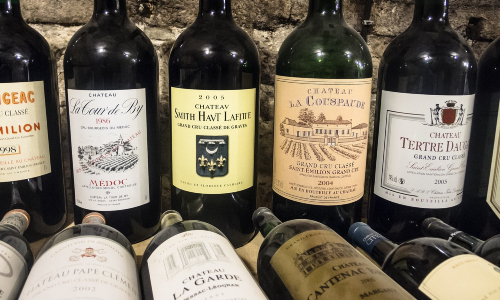
Explore the deep, velvety reds from the rolling vineyards of Bordeaux, where centuries of winemaking tradition have shaped some of the most sought-after blends in the world. Indulge in the rich, full-bodied flavors of Cabernet Sauvignon, Merlot, and Cabernet Franc, crafted with meticulous care and precision.
Venture to the sun-soaked hills of Tuscany, where the Sangiovese grape thrives, giving birth to the enchanting Chianti and Brunello di Montalcino wines. Savor the harmonious balance of fruit and earth, a true reflection of Italy's winemaking heritage.
Cross the ocean to the New World, where the vineyards of California, Australia, and South America produce bold and fruit-forward red wines that have garnered international acclaim. Discover the opulence of Napa Valley's Cabernet Sauvignon, the elegance of Australia's Shiraz, or the intensity of Argentina's Malbec.
Uncover the hidden gems of lesser-known wine regions, where passionate winemakers are creating remarkable red wines that surprise and delight. From the hills of Lebanon to the valleys of South Africa, each bottle tells a unique story and offers a taste of the terroir from which it originates.
At Cru, we believe that wine is an invitation to explore the world and its diverse flavors. Our collection of red wines represents a global celebration of craftsmanship, tradition, and the unending pursuit of excellence. Indulge in the remarkable tapestry of flavors, aromas, and textures that red wines offer, and let us guide you on a remarkable journey through the world of wine.
All Red Wines

| Product Name | Region | Qty | Score | Price | |||||
|---|---|---|---|---|---|---|---|---|---|
|
|
Piedmont | 1 | 95 (WA) |
Inc. VAT
£386.38 |
|||||
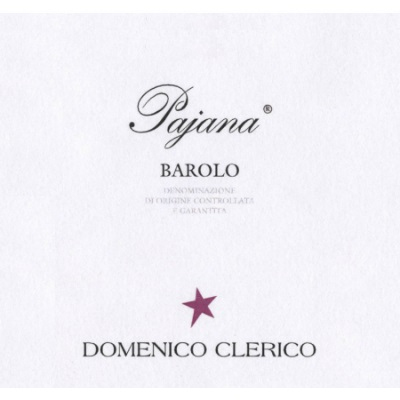
Wine Advocate (95)Pajana represents the lower end of the same site that produces fruit for the Barolo Ciabot Mentin. The soils are a bit looser here and the temperatures are just a few fractions higher at this site. Winemaking for the 2013 Barolo Pajana sees 20 days of skin maceration, and malolactic fermentation in this vintage was done in oak (otherwise that second fermentation occurs in stainless steel). The idea, of course, is to work without oxygen, but if the malolactic fermentations are slow, the wine goes into wood, as is the case here. The wine later ages in barrique for 16 months with another 16 months in botte grande. The bouquet offers delicate layers of mineral and flint with dark fruit and spice neatly folded into its thick texture. Both the Barolo Pajana and the Barolo Ciabot Mentin are released one year after their peers. |
|||||||||
|
|
Piedmont | 1 | 94 (WA) |
Inc. VAT
£150.53 |
|||||
Wine Advocate (94)The Pajana vineyard is known for its loose, sandy soils and red-colored earth, and the 2014 growing season brought cool and wet conditions. This cru is a nice, loyal expression of those Nebbiolo grapes. The 2014 Barolo Pajana is dark and thickly structured, and probably more accessible overall. This wine can be enjoyed in the medium-term, after five years (more or less) of cellar time. It saw 16 months in barrique, another 16 months in botte grande and a couple of years in the bottle. |
|||||||||
|
|
Piedmont | 4 | 94 (WA) |
Inc. VAT
£517.18 |
|||||
Wine Advocate (94)The Pajana vineyard is known for its loose, sandy soils and red-colored earth, and the 2014 growing season brought cool and wet conditions. This cru is a nice, loyal expression of those Nebbiolo grapes. The 2014 Barolo Pajana is dark and thickly structured, and probably more accessible overall. This wine can be enjoyed in the medium-term, after five years (more or less) of cellar time. It saw 16 months in barrique, another 16 months in botte grande and a couple of years in the bottle. |
|||||||||
|
|
Piedmont | 3 | 90.5 (VN) |
Inc. VAT
£395.98 |
|||||
Vinous (90.5)The 2016 Barolo Pajana is ample, powerful and resonant, with terrific body and a real sense of expansiveness that builds with time in the glass. Sweet spice, citrus and floral overtones add brightness to this attractive, mid-weight Barolo. The 2016 is deep and yet also tannic. I would prefer to cellar it for at least a few years. |
|||||||||
|
|
Piedmont | 1 | 95 (JD) |
Inc. VAT
£110.80 |
|||||
Jeb Dunnuck (95)Riper and sunnier, the 2017 Barolo Ginestra Pajana offers baked aromas of red plum, balsamic, and leather. Full on the palate and broad with ripe tannins, it feels much more expansive in its fruit and style. It is still fresh but displays the warmth of the vintage. Drink 2023-2040. |
|||||||||
|
|
Piedmont | 1 | 94+ (JD) |
Inc. VAT
£88.13 |
|||||
Jeb Dunnuck (94+)The 2018 Barolo Ginestra Pajana is supple with red fruit and floral musky cologne of red plum, spicy minty herbs, and cedar. It is fine, elegant, and approachable in its tannin structure and offers clean notes of oak spice, vanilla bean, and dusty earth. It is fresh and charming but also has the complexity to be long-lasting. Drink 2023-2040. |
|||||||||
|
|
Piedmont | 5 | 96 (JD) |
Inc. VAT
£453.58 |
|||||
Jeb Dunnuck (96)Tasted side by side with Ciabot Mentin, the 2019 Barolo Ginestra Pajana is pure and ripe, with a bit of a darker tone comparatively, offering notes of cherry liqueur spiced with rosemary and rounded, floral tones. Medium to full-bodied, it is persistent, balanced, and concentrated, with ripe tannins, an even spine of acidity, and a long finish. With its notes of ripe raspberry, sweet herbs, and fresh soil, this is an impressive Barolo to drink 2024-2044. |
|||||||||
|
|
Piedmont | 8 | - |
Inc. VAT
£192.29 |
|||||
|
|
Bordeaux | 17 | 86-88 (VN (AG)) |
Inc. VAT
£275.21 |
|||||
Vinous - Antonio Galloni (86-88)The 2016 Domeyne is a plump, juicy wine. Dark fruit, chocolate, spice, violet and plum are pushed forward. Succulent and forward, with notable density on the palate, the 2016 should drink well upon release. This is an especially juicy style for Saint Estèphe, yet there is good freshness and energy as well. |
|||||||||
|
|
Castilla y Leon | 1 | - |
Inc. VAT
£1,463.98 |
|||||
|
|
Castilla y Leon | 1 | 98 (WA) |
Inc. VAT
£1,433.15 |
|||||
Wine Advocate (98)The scarcest and rarest of the reds is the single-vineyard 2015 Canta la Perdiz, produced with the field-blend grapes of one of the oldest vineyards in the village of La Aguilera, a plot at 890 meters in altitude that has sandy and limestone-rich soils that give the wine a specific texture reminiscent of chalk. It's planted with a field blend dominated by Tempranillo but with small percentages of many other grapes, and the aim is to be able to ferment them all together. The ripeness of 2015 allowed for all the different varieties to achieve good ripeness, and they were all included in the wine, which fermented with full clusters and indigenous yeasts. It was foot trodden, and the malolactic and slow and long aging was in French oak barrels and lasted 31 months. It's a wine of perfume and finesse, gentle and tender, attractive and showy, developing nice complexity in the glass, with a more Mediterranean profile, some fennel and aromatic herbs. It has a velvety texture with very fine tannins. It also has very good freshness and balance, and it finishes long and dry. 1,220 bottles and 24 magnums were filled in May 2018. |
|||||||||
|
|
Castilla y Leon | 1 | 100 (WA) |
Inc. VAT
£1,475.15 |
|||||
Wine Advocate (100)I was really looking forward to the single-vineyard red 2016 Canta la Perdiz, their rarest and finest bottling. It comes from a one of the oldest plots in the village of La Aguilera found at 890 meters in altitude on sand and limestone soils that give it a special personality and a chalky texture. The full clusters fermented with indigenous yeasts in concrete vats, and the wine went through seven months of a slow malolactic fermentation in oak barrels, where it completed an élevage of 31 months. The wine delivers what I was expecting, incredible finesse and elegance while filling your mouth. It is nuanced, perfumed and with a crystalline personality, with light and energy. It has very fine, chalky tannins that give it a velvety texture. It has incredible length. It's a world-class red that should develop for a very long time in bottle but also drink well throughout its life, even as young as now. This is one of the finest wines they have produced at this domaine, among the greatest in Ribera del Duero, fine, crystalline and full of Ribera character, serious but with a hedonist side. 1,789 bottles and 50 magnums were filled in May 2019. |
|||||||||
|
|
Castilla y Leon | 2 | 97 (WA) |
Inc. VAT
£1,731.58 |
|||||
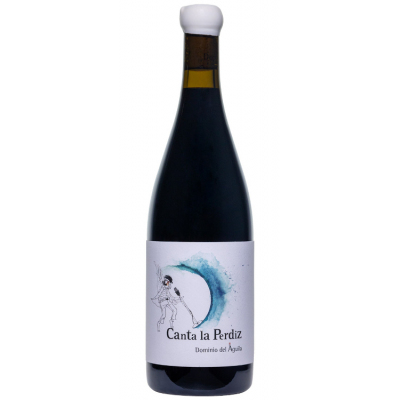
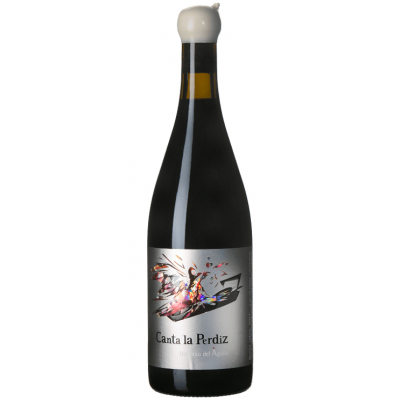
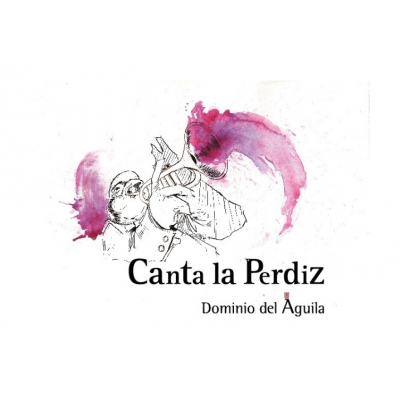
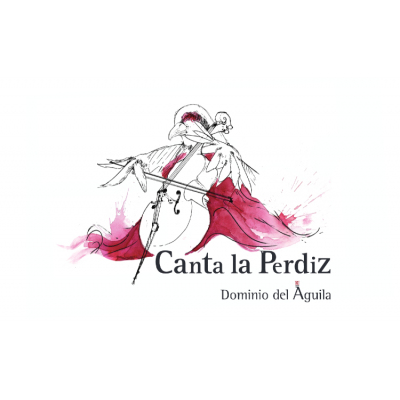
Wine Advocate (97)I also tasted the 2017 Canta la Perdiz from the low-yielding and warm year marked by spring frost. The Tempranillo field blend clusters fermented in concrete vats with natural yeasts after being foot trodden. The wine went through malolactic and 39 months of aging in oak barrels, mostly French, for 39 months. It has the perfume and approachability of the 2017s, but there's a lot more finesse here, the quality of the tannins is superb, and there's great balance and freshness. Another 2017 that transcends the vintage. The label is different each vintage, and in this different year, it does have a surprising, somewhat Ponsot-like label...1,103 bottles and 10 magnums were filled in March 2021. |
|||||||||
|
|
Castilla y Leon | 3 | 97+ (WA) |
Inc. VAT
£1,277.98 |
|||||
Wine Advocate (97+)The 2018 Canta la Perdiz feels like a more rustic version of the 2016, with earthiness and abundant tannins and more backward than the approachable and juicy 2019 I tasted next to it. It fermented with full clusters and indigenous yeasts in concrete vats followed by a slow malolactic in barrel and 37 months in those barrels. The wine is still a little oaky, spicy and smoky, with good ripeness, 14.5% alcohol, good freshness and balance and abundant tannins that feel a little rustic. We'll have to see how the wine develops in bottle. 1,365 bottles and 32 magnums were filled in November 2021. |
|||||||||
|
|
Castilla y Leon | 1 | 98 (WA) |
Inc. VAT
£1,180.78 |
|||||
Wine Advocate (98)I tasted two vintages of the single-vineyard Canta la Perdiz, from the vineyard that they consider to produce their most elegant red. The youngest of the two, the 2019 Canta la Perdiz was cropped from a warm and dry year, fermented with indigenous yeasts in concrete with full clusters and a slow malolactic in barrel (seven months) and then spent 35 months in French oak barrels. It has a very expressive nose that is open and immediate, with polished tannins and surprisingly integrated oak after such a long élevage. It's a vintage of pleasure and juiciness but with serious structure and depth, and it is very harmonious and balanced with fine-grained chalky tannins. It has 14.5% alcohol and a pH of 3.55 denoting good freshness. 1,847 bottles and 30 magnums produced. It was bottled in September 2022. |
|||||||||
|
|
Castilla y Leon | 1 | 98 (DC) |
Inc. VAT
£1,433.15 |
|||||
Decanter (98)Probably the purest and most refined wine in the whole Ribera del Duero region, a jewel of balance and subtlety with a wonderfully persistent delicacy. The newest icon in Spain. |
|||||||||
|
|
Castilla y Leon | 1 | 99 (WA) |
Inc. VAT
£301.72 |
|||||
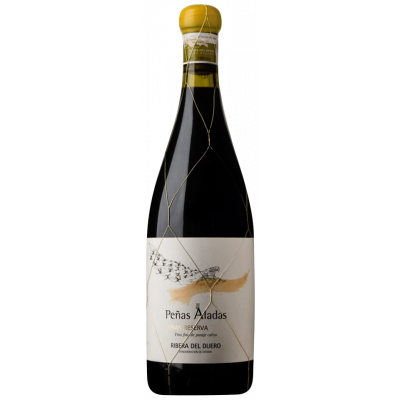
Wine Advocate (99)Their Gran Reserva is released a good six or seven years after the harvest, and they consider the 2013 Peñas Aladas Gran Reserva still too young. It comes from small plots of some of the oldest vineyards in the village of La Aguilera, in the zone known as Peñas Aladas in a cooler place at 870 to 890 meters in altitude. The topsoils are sandy, and then there is clay and a limestone-and-marl mother rock that they consider perfect. The dominant grape is Tempranillo, but in these old plots, there is always a mix of varieties—Albillo, Bruñal, Garnacha, Bobal, Cariñena—and the aim is to ferment them all together (ripeness permitting). This fermented with full clusters that were foot trodden, and malolactic was in barrel and extremely slow (19 months). It matured in barrel for five years. It is an incredibly backward wine, young and undeveloped, with tons of gunpowder, earthy and mineral, diesel-like, complex and with a magnetic attraction that makes you go back over and over again. It has pungent and pristine flavors, with amazing precision and symmetry, like laser cut, long, with very fine tannins and a supple, almost salty finish. This wine should age forever in bottle. This wine is just magic. 1,671 bottles and 69 magnums were filled in September 2018. The initial 2010 is now glorious, but I agree, still young... |
|||||||||
|
|
Castilla y Leon | 1 | 99 (WA) |
Inc. VAT
£837.95 |
|||||
Wine Advocate (99)Their Gran Reserva is released a good six or seven years after the harvest, and they consider the 2013 Peñas Aladas Gran Reserva still too young. It comes from small plots of some of the oldest vineyards in the village of La Aguilera, in the zone known as Peñas Aladas in a cooler place at 870 to 890 meters in altitude. The topsoils are sandy, and then there is clay and a limestone-and-marl mother rock that they consider perfect. The dominant grape is Tempranillo, but in these old plots, there is always a mix of varieties—Albillo, Bruñal, Garnacha, Bobal, Cariñena—and the aim is to ferment them all together (ripeness permitting). This fermented with full clusters that were foot trodden, and malolactic was in barrel and extremely slow (19 months). It matured in barrel for five years. It is an incredibly backward wine, young and undeveloped, with tons of gunpowder, earthy and mineral, diesel-like, complex and with a magnetic attraction that makes you go back over and over again. It has pungent and pristine flavors, with amazing precision and symmetry, like laser cut, long, with very fine tannins and a supple, almost salty finish. This wine should age forever in bottle. This wine is just magic. 1,671 bottles and 69 magnums were filled in September 2018. The initial 2010 is now glorious, but I agree, still young... |
|||||||||
|
|
Castilla y Leon | 1 | 96 (WA) |
Inc. VAT
£1,095.43 |
|||||
Wine Advocate (96)The Gran Reserva from 2014 had also been bottled for over one year when I tasted the wines, so I included the 2014 Peñas Aladas Gran Reserva in this report, although the wine might take some time to reach the market. This is a rare wine, matured in oak barrels for 45 months and produced in limited quantities in a painfully slow process to create a wine with very high aging potential that, even when released some five or six years after the harvest, feels too young and a little raw. It feels a lot gentler and approachable than the 2013 I tasted next to it; it's more aromatic and expressive, complex and at the same time easy to understand. The palate is also approachable and tender, with very fine-grained tannins, when in reality, it's very powerful and tannic, but the balance is terrific. It should develop beautifully in bottle, and the Ribera character, which is there, should be even more evident with a little more time. 3,051 bottles and 43 magnums were filled unfined and unfiltered by hand in June 2018. |
|||||||||
|
|
Castilla y Leon | 1 | 96 (WA) |
Inc. VAT
£1,405.72 |
|||||
Wine Advocate (96)The Gran Reserva from 2014 had also been bottled for over one year when I tasted the wines, so I included the 2014 Peñas Aladas Gran Reserva in this report, although the wine might take some time to reach the market. This is a rare wine, matured in oak barrels for 45 months and produced in limited quantities in a painfully slow process to create a wine with very high aging potential that, even when released some five or six years after the harvest, feels too young and a little raw. It feels a lot gentler and approachable than the 2013 I tasted next to it; it's more aromatic and expressive, complex and at the same time easy to understand. The palate is also approachable and tender, with very fine-grained tannins, when in reality, it's very powerful and tannic, but the balance is terrific. It should develop beautifully in bottle, and the Ribera character, which is there, should be even more evident with a little more time. 3,051 bottles and 43 magnums were filled unfined and unfiltered by hand in June 2018. |
|||||||||





| Product Name | Region | Qty | Score | Price | |||||
|---|---|---|---|---|---|---|---|---|---|
|
|
Piedmont | 1 | 95 (WA) |
In Bond
£302.00 |
|||||
Wine Advocate (95)Pajana represents the lower end of the same site that produces fruit for the Barolo Ciabot Mentin. The soils are a bit looser here and the temperatures are just a few fractions higher at this site. Winemaking for the 2013 Barolo Pajana sees 20 days of skin maceration, and malolactic fermentation in this vintage was done in oak (otherwise that second fermentation occurs in stainless steel). The idea, of course, is to work without oxygen, but if the malolactic fermentations are slow, the wine goes into wood, as is the case here. The wine later ages in barrique for 16 months with another 16 months in botte grande. The bouquet offers delicate layers of mineral and flint with dark fruit and spice neatly folded into its thick texture. Both the Barolo Pajana and the Barolo Ciabot Mentin are released one year after their peers. |
|||||||||
|
|
Piedmont | 1 | 94 (WA) |
In Bond
£122.00 |
|||||
Wine Advocate (94)The Pajana vineyard is known for its loose, sandy soils and red-colored earth, and the 2014 growing season brought cool and wet conditions. This cru is a nice, loyal expression of those Nebbiolo grapes. The 2014 Barolo Pajana is dark and thickly structured, and probably more accessible overall. This wine can be enjoyed in the medium-term, after five years (more or less) of cellar time. It saw 16 months in barrique, another 16 months in botte grande and a couple of years in the bottle. |
|||||||||
|
|
Piedmont | 4 | 94 (WA) |
In Bond
£411.00 |
|||||
Wine Advocate (94)The Pajana vineyard is known for its loose, sandy soils and red-colored earth, and the 2014 growing season brought cool and wet conditions. This cru is a nice, loyal expression of those Nebbiolo grapes. The 2014 Barolo Pajana is dark and thickly structured, and probably more accessible overall. This wine can be enjoyed in the medium-term, after five years (more or less) of cellar time. It saw 16 months in barrique, another 16 months in botte grande and a couple of years in the bottle. |
|||||||||
|
|
Piedmont | 3 | 90.5 (VN) |
In Bond
£310.00 |
|||||
Vinous (90.5)The 2016 Barolo Pajana is ample, powerful and resonant, with terrific body and a real sense of expansiveness that builds with time in the glass. Sweet spice, citrus and floral overtones add brightness to this attractive, mid-weight Barolo. The 2016 is deep and yet also tannic. I would prefer to cellar it for at least a few years. |
|||||||||
|
|
Piedmont | 1 | 95 (JD) |
In Bond
£89.00 |
|||||
Jeb Dunnuck (95)Riper and sunnier, the 2017 Barolo Ginestra Pajana offers baked aromas of red plum, balsamic, and leather. Full on the palate and broad with ripe tannins, it feels much more expansive in its fruit and style. It is still fresh but displays the warmth of the vintage. Drink 2023-2040. |
|||||||||
|
|
Piedmont | 1 | 94+ (JD) |
In Bond
£70.00 |
|||||
Jeb Dunnuck (94+)The 2018 Barolo Ginestra Pajana is supple with red fruit and floral musky cologne of red plum, spicy minty herbs, and cedar. It is fine, elegant, and approachable in its tannin structure and offers clean notes of oak spice, vanilla bean, and dusty earth. It is fresh and charming but also has the complexity to be long-lasting. Drink 2023-2040. |
|||||||||
|
|
Piedmont | 5 | 96 (JD) |
In Bond
£358.00 |
|||||
Jeb Dunnuck (96)Tasted side by side with Ciabot Mentin, the 2019 Barolo Ginestra Pajana is pure and ripe, with a bit of a darker tone comparatively, offering notes of cherry liqueur spiced with rosemary and rounded, floral tones. Medium to full-bodied, it is persistent, balanced, and concentrated, with ripe tannins, an even spine of acidity, and a long finish. With its notes of ripe raspberry, sweet herbs, and fresh soil, this is an impressive Barolo to drink 2024-2044. |
|||||||||
|
|
Piedmont | 8 | - |
In Bond
£141.00 |
|||||
|
|
Bordeaux | 17 | 86-88 (VN (AG)) |
In Bond
£188.00 |
|||||
Vinous - Antonio Galloni (86-88)The 2016 Domeyne is a plump, juicy wine. Dark fruit, chocolate, spice, violet and plum are pushed forward. Succulent and forward, with notable density on the palate, the 2016 should drink well upon release. This is an especially juicy style for Saint Estèphe, yet there is good freshness and energy as well. |
|||||||||
|
|
Castilla y Leon | 1 | - |
In Bond
£1,200.00 |
|||||
|
|
Castilla y Leon | 1 | 98 (WA) |
In Bond
£1,175.00 |
|||||
Wine Advocate (98)The scarcest and rarest of the reds is the single-vineyard 2015 Canta la Perdiz, produced with the field-blend grapes of one of the oldest vineyards in the village of La Aguilera, a plot at 890 meters in altitude that has sandy and limestone-rich soils that give the wine a specific texture reminiscent of chalk. It's planted with a field blend dominated by Tempranillo but with small percentages of many other grapes, and the aim is to be able to ferment them all together. The ripeness of 2015 allowed for all the different varieties to achieve good ripeness, and they were all included in the wine, which fermented with full clusters and indigenous yeasts. It was foot trodden, and the malolactic and slow and long aging was in French oak barrels and lasted 31 months. It's a wine of perfume and finesse, gentle and tender, attractive and showy, developing nice complexity in the glass, with a more Mediterranean profile, some fennel and aromatic herbs. It has a velvety texture with very fine tannins. It also has very good freshness and balance, and it finishes long and dry. 1,220 bottles and 24 magnums were filled in May 2018. |
|||||||||
|
|
Castilla y Leon | 1 | 100 (WA) |
In Bond
£1,210.00 |
|||||
Wine Advocate (100)I was really looking forward to the single-vineyard red 2016 Canta la Perdiz, their rarest and finest bottling. It comes from a one of the oldest plots in the village of La Aguilera found at 890 meters in altitude on sand and limestone soils that give it a special personality and a chalky texture. The full clusters fermented with indigenous yeasts in concrete vats, and the wine went through seven months of a slow malolactic fermentation in oak barrels, where it completed an élevage of 31 months. The wine delivers what I was expecting, incredible finesse and elegance while filling your mouth. It is nuanced, perfumed and with a crystalline personality, with light and energy. It has very fine, chalky tannins that give it a velvety texture. It has incredible length. It's a world-class red that should develop for a very long time in bottle but also drink well throughout its life, even as young as now. This is one of the finest wines they have produced at this domaine, among the greatest in Ribera del Duero, fine, crystalline and full of Ribera character, serious but with a hedonist side. 1,789 bottles and 50 magnums were filled in May 2019. |
|||||||||
|
|
Castilla y Leon | 2 | 97 (WA) |
In Bond
£1,423.00 |
|||||
Wine Advocate (97)I also tasted the 2017 Canta la Perdiz from the low-yielding and warm year marked by spring frost. The Tempranillo field blend clusters fermented in concrete vats with natural yeasts after being foot trodden. The wine went through malolactic and 39 months of aging in oak barrels, mostly French, for 39 months. It has the perfume and approachability of the 2017s, but there's a lot more finesse here, the quality of the tannins is superb, and there's great balance and freshness. Another 2017 that transcends the vintage. The label is different each vintage, and in this different year, it does have a surprising, somewhat Ponsot-like label...1,103 bottles and 10 magnums were filled in March 2021. |
|||||||||
|
|
Castilla y Leon | 3 | 97+ (WA) |
In Bond
£1,045.00 |
|||||
Wine Advocate (97+)The 2018 Canta la Perdiz feels like a more rustic version of the 2016, with earthiness and abundant tannins and more backward than the approachable and juicy 2019 I tasted next to it. It fermented with full clusters and indigenous yeasts in concrete vats followed by a slow malolactic in barrel and 37 months in those barrels. The wine is still a little oaky, spicy and smoky, with good ripeness, 14.5% alcohol, good freshness and balance and abundant tannins that feel a little rustic. We'll have to see how the wine develops in bottle. 1,365 bottles and 32 magnums were filled in November 2021. |
|||||||||
|
|
Castilla y Leon | 1 | 98 (WA) |
In Bond
£964.00 |
|||||
Wine Advocate (98)I tasted two vintages of the single-vineyard Canta la Perdiz, from the vineyard that they consider to produce their most elegant red. The youngest of the two, the 2019 Canta la Perdiz was cropped from a warm and dry year, fermented with indigenous yeasts in concrete with full clusters and a slow malolactic in barrel (seven months) and then spent 35 months in French oak barrels. It has a very expressive nose that is open and immediate, with polished tannins and surprisingly integrated oak after such a long élevage. It's a vintage of pleasure and juiciness but with serious structure and depth, and it is very harmonious and balanced with fine-grained chalky tannins. It has 14.5% alcohol and a pH of 3.55 denoting good freshness. 1,847 bottles and 30 magnums produced. It was bottled in September 2022. |
|||||||||
|
|
Castilla y Leon | 1 | 98 (DC) |
In Bond
£1,175.00 |
|||||
Decanter (98)Probably the purest and most refined wine in the whole Ribera del Duero region, a jewel of balance and subtlety with a wonderfully persistent delicacy. The newest icon in Spain. |
|||||||||
|
|
Castilla y Leon | 1 | 99 (WA) |
In Bond
£245.00 |
|||||
Wine Advocate (99)Their Gran Reserva is released a good six or seven years after the harvest, and they consider the 2013 Peñas Aladas Gran Reserva still too young. It comes from small plots of some of the oldest vineyards in the village of La Aguilera, in the zone known as Peñas Aladas in a cooler place at 870 to 890 meters in altitude. The topsoils are sandy, and then there is clay and a limestone-and-marl mother rock that they consider perfect. The dominant grape is Tempranillo, but in these old plots, there is always a mix of varieties—Albillo, Bruñal, Garnacha, Bobal, Cariñena—and the aim is to ferment them all together (ripeness permitting). This fermented with full clusters that were foot trodden, and malolactic was in barrel and extremely slow (19 months). It matured in barrel for five years. It is an incredibly backward wine, young and undeveloped, with tons of gunpowder, earthy and mineral, diesel-like, complex and with a magnetic attraction that makes you go back over and over again. It has pungent and pristine flavors, with amazing precision and symmetry, like laser cut, long, with very fine tannins and a supple, almost salty finish. This wine should age forever in bottle. This wine is just magic. 1,671 bottles and 69 magnums were filled in September 2018. The initial 2010 is now glorious, but I agree, still young... |
|||||||||
|
|
Castilla y Leon | 1 | 99 (WA) |
In Bond
£679.00 |
|||||
Wine Advocate (99)Their Gran Reserva is released a good six or seven years after the harvest, and they consider the 2013 Peñas Aladas Gran Reserva still too young. It comes from small plots of some of the oldest vineyards in the village of La Aguilera, in the zone known as Peñas Aladas in a cooler place at 870 to 890 meters in altitude. The topsoils are sandy, and then there is clay and a limestone-and-marl mother rock that they consider perfect. The dominant grape is Tempranillo, but in these old plots, there is always a mix of varieties—Albillo, Bruñal, Garnacha, Bobal, Cariñena—and the aim is to ferment them all together (ripeness permitting). This fermented with full clusters that were foot trodden, and malolactic was in barrel and extremely slow (19 months). It matured in barrel for five years. It is an incredibly backward wine, young and undeveloped, with tons of gunpowder, earthy and mineral, diesel-like, complex and with a magnetic attraction that makes you go back over and over again. It has pungent and pristine flavors, with amazing precision and symmetry, like laser cut, long, with very fine tannins and a supple, almost salty finish. This wine should age forever in bottle. This wine is just magic. 1,671 bottles and 69 magnums were filled in September 2018. The initial 2010 is now glorious, but I agree, still young... |
|||||||||
|
|
Castilla y Leon | 1 | 96 (WA) |
In Bond
£900.00 |
|||||
Wine Advocate (96)The Gran Reserva from 2014 had also been bottled for over one year when I tasted the wines, so I included the 2014 Peñas Aladas Gran Reserva in this report, although the wine might take some time to reach the market. This is a rare wine, matured in oak barrels for 45 months and produced in limited quantities in a painfully slow process to create a wine with very high aging potential that, even when released some five or six years after the harvest, feels too young and a little raw. It feels a lot gentler and approachable than the 2013 I tasted next to it; it's more aromatic and expressive, complex and at the same time easy to understand. The palate is also approachable and tender, with very fine-grained tannins, when in reality, it's very powerful and tannic, but the balance is terrific. It should develop beautifully in bottle, and the Ribera character, which is there, should be even more evident with a little more time. 3,051 bottles and 43 magnums were filled unfined and unfiltered by hand in June 2018. |
|||||||||
|
|
Castilla y Leon | 1 | 96 (WA) |
In Bond
£1,150.00 |
|||||
Wine Advocate (96)The Gran Reserva from 2014 had also been bottled for over one year when I tasted the wines, so I included the 2014 Peñas Aladas Gran Reserva in this report, although the wine might take some time to reach the market. This is a rare wine, matured in oak barrels for 45 months and produced in limited quantities in a painfully slow process to create a wine with very high aging potential that, even when released some five or six years after the harvest, feels too young and a little raw. It feels a lot gentler and approachable than the 2013 I tasted next to it; it's more aromatic and expressive, complex and at the same time easy to understand. The palate is also approachable and tender, with very fine-grained tannins, when in reality, it's very powerful and tannic, but the balance is terrific. It should develop beautifully in bottle, and the Ribera character, which is there, should be even more evident with a little more time. 3,051 bottles and 43 magnums were filled unfined and unfiltered by hand in June 2018. |
|||||||||